Courtesy of Anti Wave, a SwimSwam partner.
Since their Olympic debut in Munich in 1972, Anti Wave Racing Lanes have become a global benchmark in competition pool performance, combining superior advanced wave dissipation engineering with the world’s most extensive global supply network.
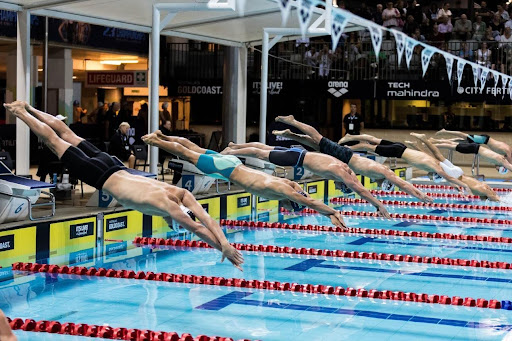
The 2026 Australian Age Swimming Championships once again brought together the nation’s most promising young athletes, delivering a week of high-performance racing, breakthrough swims, and the next generation of Australian swimming talent stepping confidently onto the national stage.
Held at the Gold Coast Aquatic Centre, the championships showcased the depth and progression of age-group swimming across the country. From emerging 12–13-year-olds to elite senior-age competitors on the cusp of international selection, the meet provided a critical platform for development, benchmarking, and national recognition.
Record-Breaking Performances Define the Week
This year’s championships were marked by exceptional individual achievements and multiple national age records:
- Lincoln Wearing (16 yrs) delivered one of the standout campaigns of the meet, sweeping the distance freestyle events. His performances included victories in the 200m, 400m, 800m—where he set a 7:56.04 National Age Record—and the 1500m (15:10.44), underlining his dominance in endurance racing.
- Amelie Smith (17 yrs) emerged as one of the most decorated swimmers of the championships, securing seven gold medals across a demanding program that included the 200m and 400m IM, 200m breaststroke and butterfly, and the 400m, 800m, and 1500m freestyle events.
- Lucy Ma (14 yrs) produced an equally impressive medal haul, claiming seven gold medals across multiple stroke disciplines, including breaststroke, backstroke, and IM, demonstrating remarkable versatility at a young age.
- Leni Grigor delivered one of the most significant swims of the meet, breaking the 400m IM national age record (4:16.15) while also setting new benchmarks in breaststroke events.
- Quinn Richards (14 yrs) set new standards in sprint breaststroke, breaking both the 50m (29.28) and 100m (1:03.65) national age records.
- Ian Allan (17 yrs) dominated the backstroke events, claiming gold in the 50m, 100m, and 200m, while setting all-comers records in the 50m (24.51) and 200m (1:57.00).
- Multi-Class (MC) events once again highlighted the strength and inclusivity of Australian swimming, with high-quality performances across the 400m freestyle and 100m stroke finals for athletes aged 12–18.
At the club level, St Peters Lutheran College continued its remarkable run, securing the Secondary Aggregate Shield for the 10th consecutive year, reinforcing its position as a powerhouse in Australian swimming development.
A Stage for the Next Generation
Across multiple days of competition, swimmers delivered standout performances across freestyle, backstroke, breaststroke, and butterfly events, alongside fiercely contested relays that highlighted the strength of Australia’s club system.
For many athletes, the Age Championships represent more than just a national meet—they are a proving ground.
Personal bests, finals appearances, and podium finishes here often mark the transition from junior promise to elite pathway contention.
Coaches and selectors alike closely monitor performances, with the meet serving as a key indicator ahead of international junior competitions and future senior team selection.
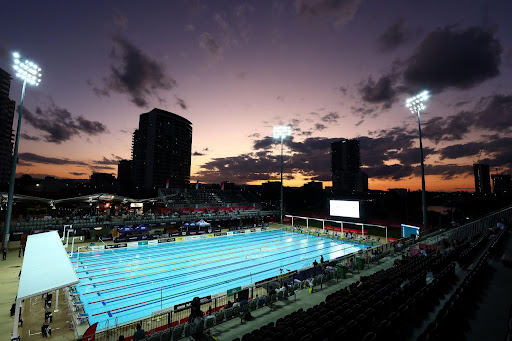
Gold Coast Aquatic Centre – 2026 Australian Age Champs – Anti Wave MAXI Racing Lanes
Engineered for Performance: Anti Wave Racing Lanes
At the 2026 Championships, athletes competed in conditions designed to meet the highest international standards, with Anti Wave racing lanes installed across all competition pools.
Engineered to minimise wave reflection and dissipate energy across the water surface, Anti Wave lane systems play a critical role in maintaining consistent and fair racing conditions. By reducing cross-lane turbulence and controlling surface disruption, the lanes help ensure that performances are determined by athlete ability—not environmental variability.
The result is a noticeably calmer pool, particularly in high-intensity finals sessions where wave build-up can otherwise impact race outcomes. For developing athletes, this level of consistency is essential, allowing them to experience world class conditions.
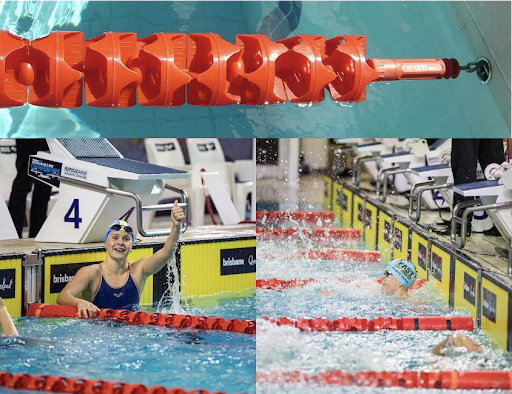
Patented Anti Wave SuperTensioner – the world’s favourite lane tensioning device for optimal performance, with optional competition Foam Covers shown
Anti Wave – Proven on the World Stage and Supporting the development of Australian Swimming for over 40 years
With more than 50 years of continuous innovation, Anti Wave racing lanes have been trusted at Olympic Games, World Championships, and leading international competitions around the globe.
Designed and tested in Australia and compliant with World Aquatics standards, the systems are built for durability, precision, and repeatable performance.
At the Australian Age Championships, this pedigree translated directly into the athlete experience – providing a world class top performance field of play that reflects the expectations of modern elite swimming.
As an Australian family-founded company with more than 50 years of continuous involvement in the sport, Anti Wave has played a longstanding role in supporting the growth and success of Australian swimming.
From grassroots development through to national championships and international competition, the company’s equipment has been a consistent presence across the country’s aquatic landscape.
Built on a legacy of hands-on innovation and close engagement with clubs, coaches, and governing bodies, Anti Wave reflects a uniquely Australian approach—practical, performance-driven, and deeply connected to the needs of the sport.
This enduring commitment has helped underpin generations of swimmers, providing reliable, world-class competition environments both at home and abroad.
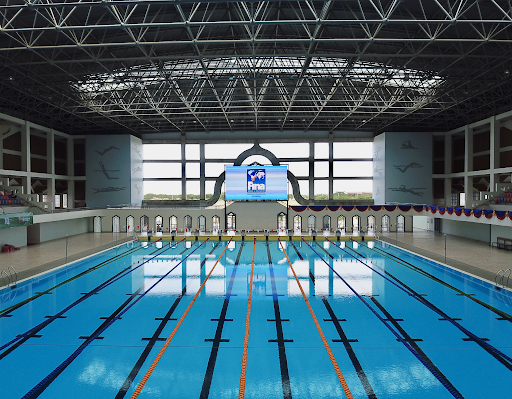
Anti Wave – Excellence in Global aquatics since 1972
Building Toward the Future
The 2026 Australian Age Championships reinforced Australia’s position as a global leader in swimming development.
With record-breaking swims, dominant performances across multiple disciplines, and a strong showing in multi-class competition, the future of Australian swimming looks exceptionally bright.
As these athletes progress toward senior ranks and international competition, the importance of competing in consistent, high-performance environments cannot be overstated.
At the Gold Coast in 2026, that standard was delivered—lane by lane—helping shape the future of Australian swimming.
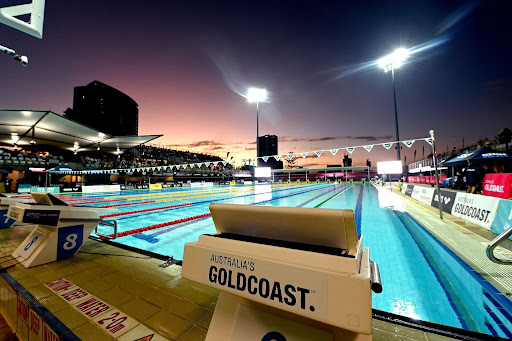
2026 Australian Age Champs, Gold Coast Aquatic Centre, Australia – Anti Wave MAXI Lanes
Anti Wave Global Pty Ltd
Brisbane, Australia
Email: [email protected]
Instagram: @antiwave_global
Anti Wave Global Web: www.anti.to