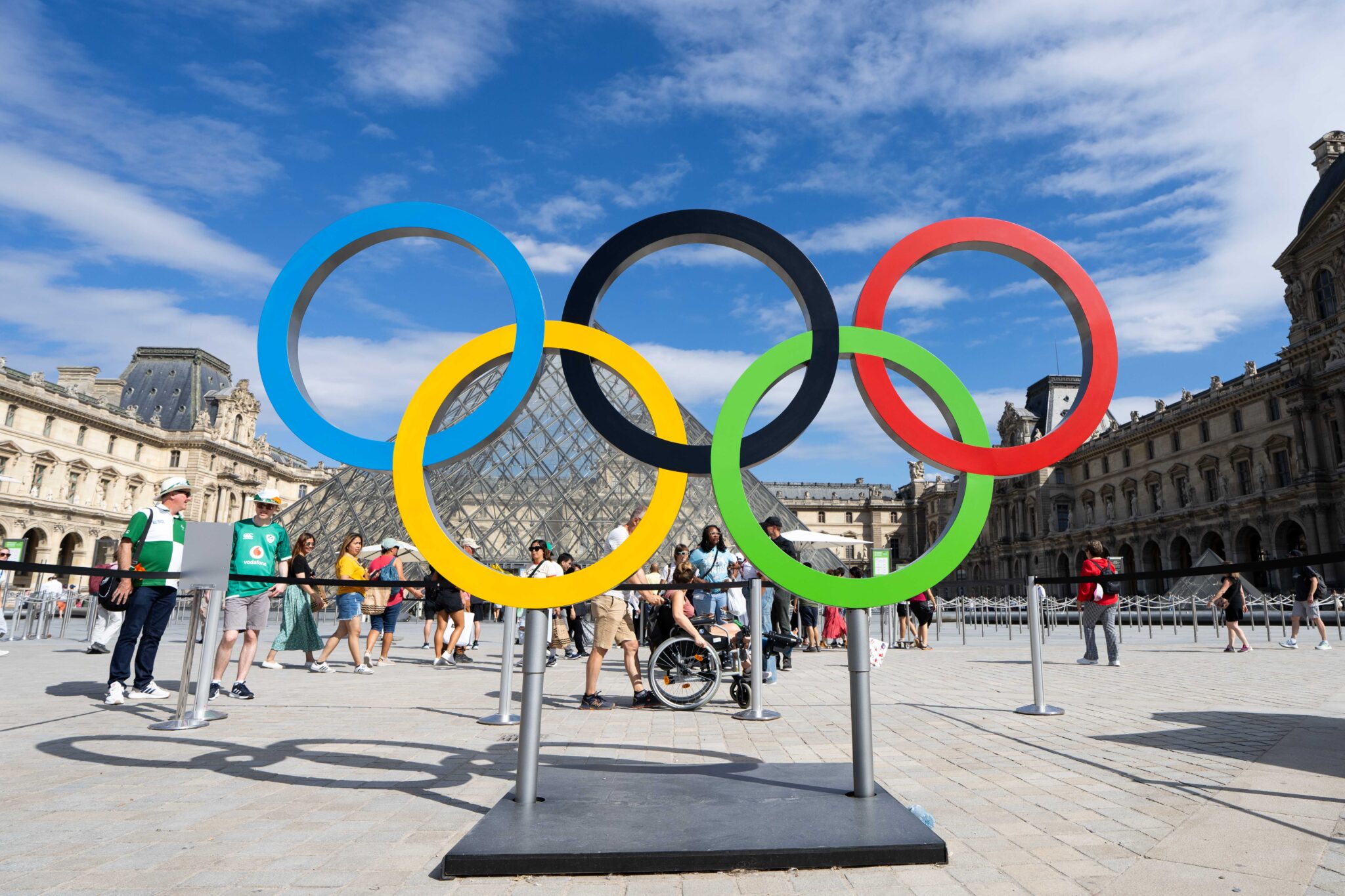
The 2024 International Olympic Committee (IOC) financial report is now available, and it provides an interesting window into the sheer size and distribution of wealth across the Olympic Movement. They collected more than $12 billion in 2021-2024 revenues, most of it from sponsorships and global broadcast rights. Nearly 74% of that was redistributed back into international sport.
Swimming, for its part, tends to have one of the highest viewership rates among Olympic sports. With high viewership comes a higher-than-average slice of the pie when it comes to the money athletes get from scholarships and support to World Aquatics. The global aspect of swimming helps it stay at the table when it comes to how Olympic money is spent.
Key Financial Takeaways (2021–2024 Cycle)
*All figures in USD
- Total Revenue (2021–2024): $12.4 billion
- (Up from ~$7.6 billion in 2020 cycle, ~$5.7 billion in 2016 cycle, and ~$8.0 billion in 2012)
2024 Revenue Breakdown
- Television Broadcast Rights: $3.25 billion
- TOP Programme Sponsorship: $871.5 million
- Other Rights (Licensing, Hospitality, Royalties): $123.6 million
- Unilateral & Paralympic Broadcast + Other: $167.4 million
- Total for 2024: $4.41 billion
Distributions (2021–2024)
- Organizing Committees: $1.77 billion
- National Olympic Committees (NOCs): $1.57 billion
- International Federations (IFs): $590.1 million
- United States Olympic & Paralympic Committee (USOPC): $320.9 million
- Olympic Solidarity Programs: $117.2 million
Top IOC Expenses (2024)
- Olympic Games-Related Costs: $708.4 million
- Promotion of the Olympic Movement: $229.5 million
- Operating Expenses (administration, staffing, travel, etc.): $196.3 million
IOC Reserves Growth Over Time
- 2012: ~$1.2 billion
- 2016: ~$1.8 billion
- 2021: ~$2.5 billion
- 2024: $4.88 billion (current fund balance)
How the Olympic Pie Is Sliced
The IOC is able to generate its level of funding through two main revenue drivers: broadcast deals and its exclusive collection of global sponsors. For this funding cycle, broadcast rights sales totaled $4.6 billion, while the TOP (The Olympic Partner Programme) sponsorship program contributed another $3.3 billion. Other income streams include licensing, ticketing, and other event-related revenue.
Olympic revenue streams distribute funds throughout the entire Olympic system. Of the $12.3 billion brought in between 2021 and 2024, more than $8.8 billion was redistributed to Olympic stakeholders. That includes the Paris 2024 and Beijing 2022 organizing committees, national Olympic committees (NOCs), and international federations, where swimming receives its primary Olympic support through World Aquatics.
World Aquatics was one of the primary beneficiaries of the $590 million distributed to Summer Olympic federations. The report does not break down allocations by sport, but swimming’s popularity and reach across five disciplines help ensure that it receives a fair share of that funding.
Swimming’s Share: Where the Impact Is Felt
The Olympic program has long recognized swimming for its visibility with a valuable mix of historical and iconic moments, with marketable and globally recognizable athletes. That viewership has also transformed into financial support through World Aquatics for international competition calendars, athlete services, coaching education, and long-term sport development.
Olympic Solidarity initiatives expanded swimming access throughout developing regions. During this funding cycle, more than 1,500 athletes from all Summer Olympic sports earned scholarships. The majority of scholarship recipients were swimmers from countries that are now building or reconstructing their aquatic programs.
Both athletes and federations allocate funding towards pre-Olympic training camps and travel expenses for qualification events. For national federations, Olympic money is often the difference between being able to send a full team or a reduced delegation.
Looking Ahead: Growth, Reserves, and Opportunity
As the biggest piece of the Olympic funding pie, it’s no surprise that the IOC was able to grow its reserve balance to almost $5 billion in four years. With that kind of financial foundation, there’s the potential for deep investment not just in the Olympics themselves, but also in long-term global sport development.
Swimming remains in a strong position to benefit from that investment. The combination of high Olympic visibility, consistent participation numbers, and strong media draw should position the sport well for LA 2028 and beyond. The question now is not just how much of the pie swimming gets, but how the funding is used to grow the sport worldwide.

Should we as members of World Aquatics, via our countries federations be asking for a proper breakdown of where this goes. Not in an annual financial report, but proper breakdown of the management accounts.
Is this money reaching the developing AND the established athletes?
Our current federation Swimming South Africa gives ZERO of this to athletes.
So where does it go? We see “executive travel & hotel” but we don’t see athletes getting the help to train, travel and compete.
1/ IOC and World Aquatics need to INDEPENDENTLY verify (not just read reports), where the funding goes to.
2/ We as members need to ask these questions at local, province/state and national AGMs so our federation is forced to disclose.