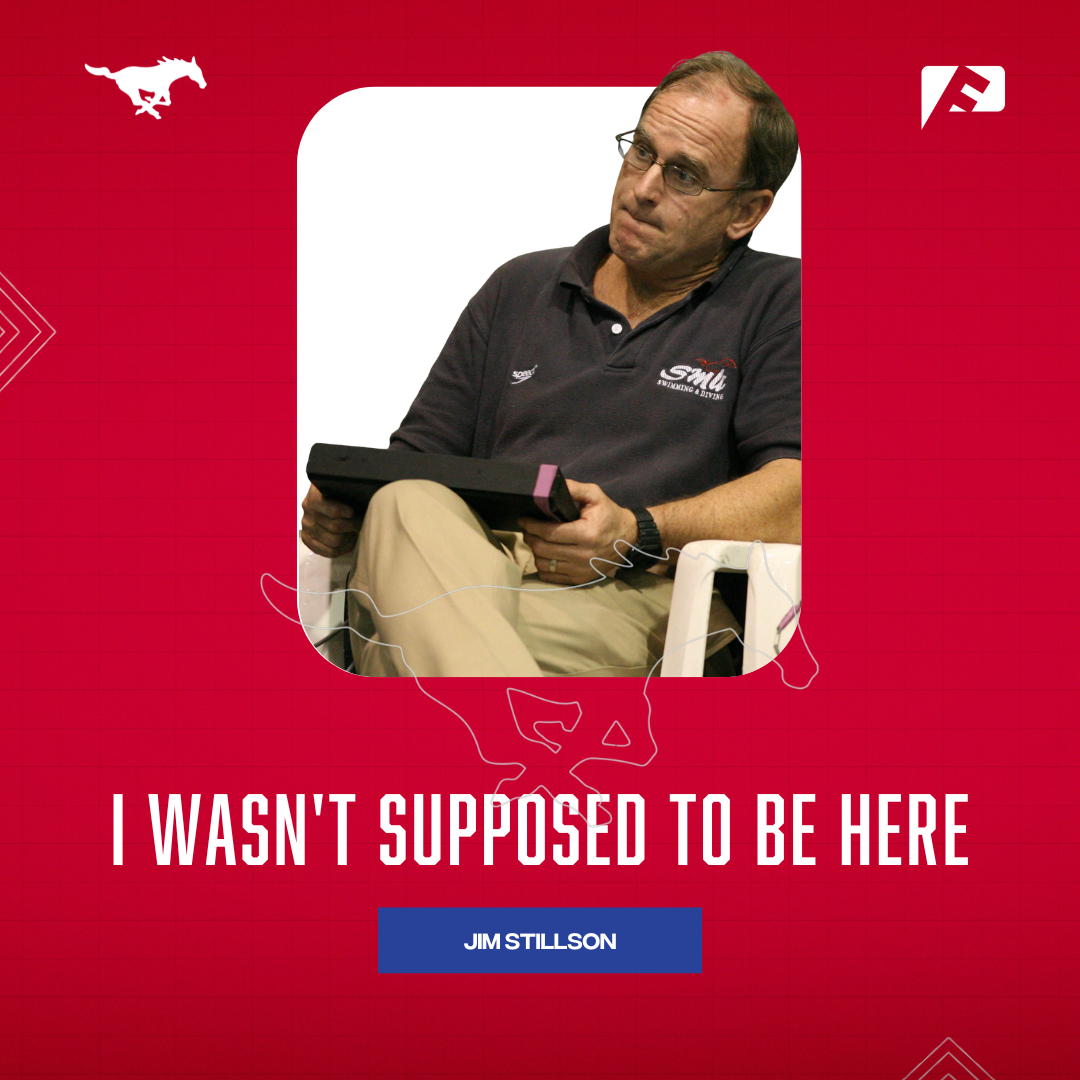
Courtesy: Jim Stillson / SMU Athletics
I was never supposed to be a diver, let alone a Hall of Famer.
The kid crammed into a tan Volkswagen Beetle, driving 2,500 miles from California to Ohio State, didn’t have a scholarship—just a dream and a stubborn streak.
Three years later, that same kid lay on an operating table after a motorcycle wreck while surgeons debated whether to take his leg.
When I woke up and saw it was still there, I decided right then: I’m coming back.
A fifth‑year senior season later, I was an NCAA All‑American on the 3‑meter.
That resilience is what carried me 33 seasons on the hilltop in Dallas.
Drawn In by the Pool
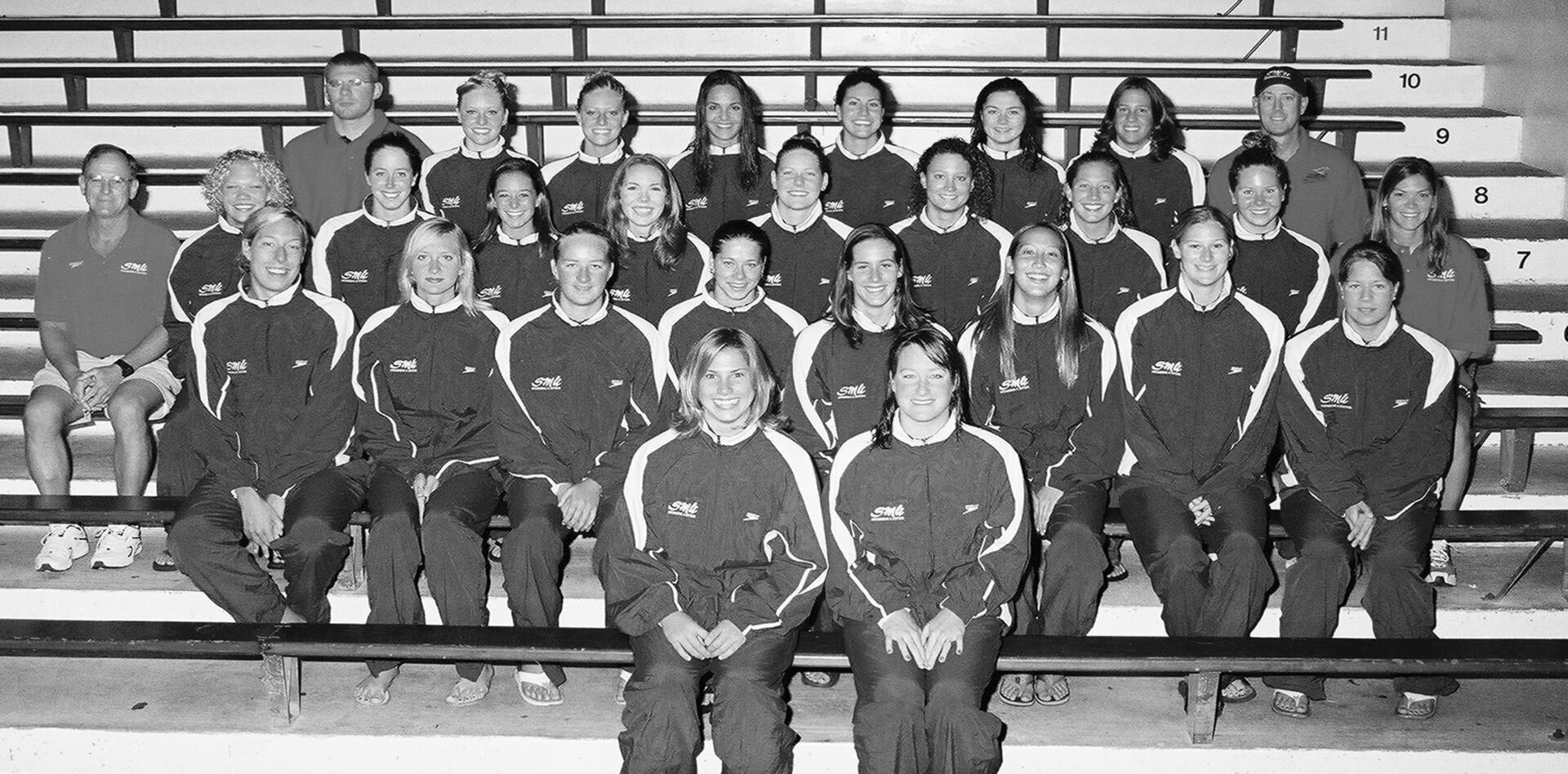
It wasn’t a title or a salary that lured me south in 1983.
What drew me to SMU was the outdoor pool.
It was beautiful — right in the center of campus on Bishop Boulevard. We hosted two U.S. Diving national championships there. Training outdoors in the Texas heat was ideal.
The indoor pool, Perkins Natatorium, had a history of its own. Built in 1942 as a basketball arena, it was later converted into an aquatic facility.
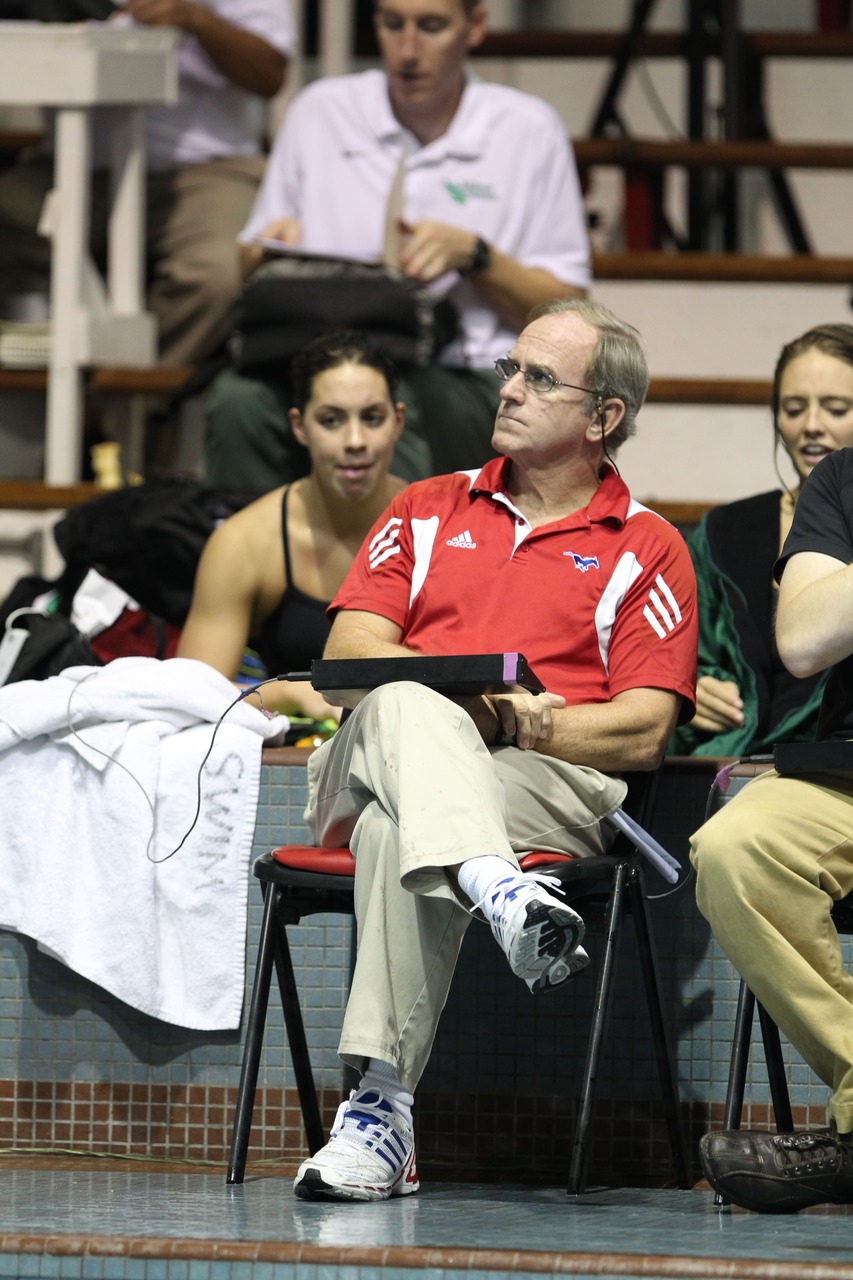 The stands wrapped around the diving boards, and fans were right on the deck. It was loud. The acoustics amplified everything. We used that energy.
The pool wasn’t regulation depth — 12 feet instead of 17. And the spotlight over the boards? It could throw off your dive if you weren’t used to it.
But our divers were.
That was our pool, our boards, our light, our depth, our environment.
And our divers competed like hell — for me, for their teammates, for SMU.
Over the years, our athletes made a habit of rising to the moment.
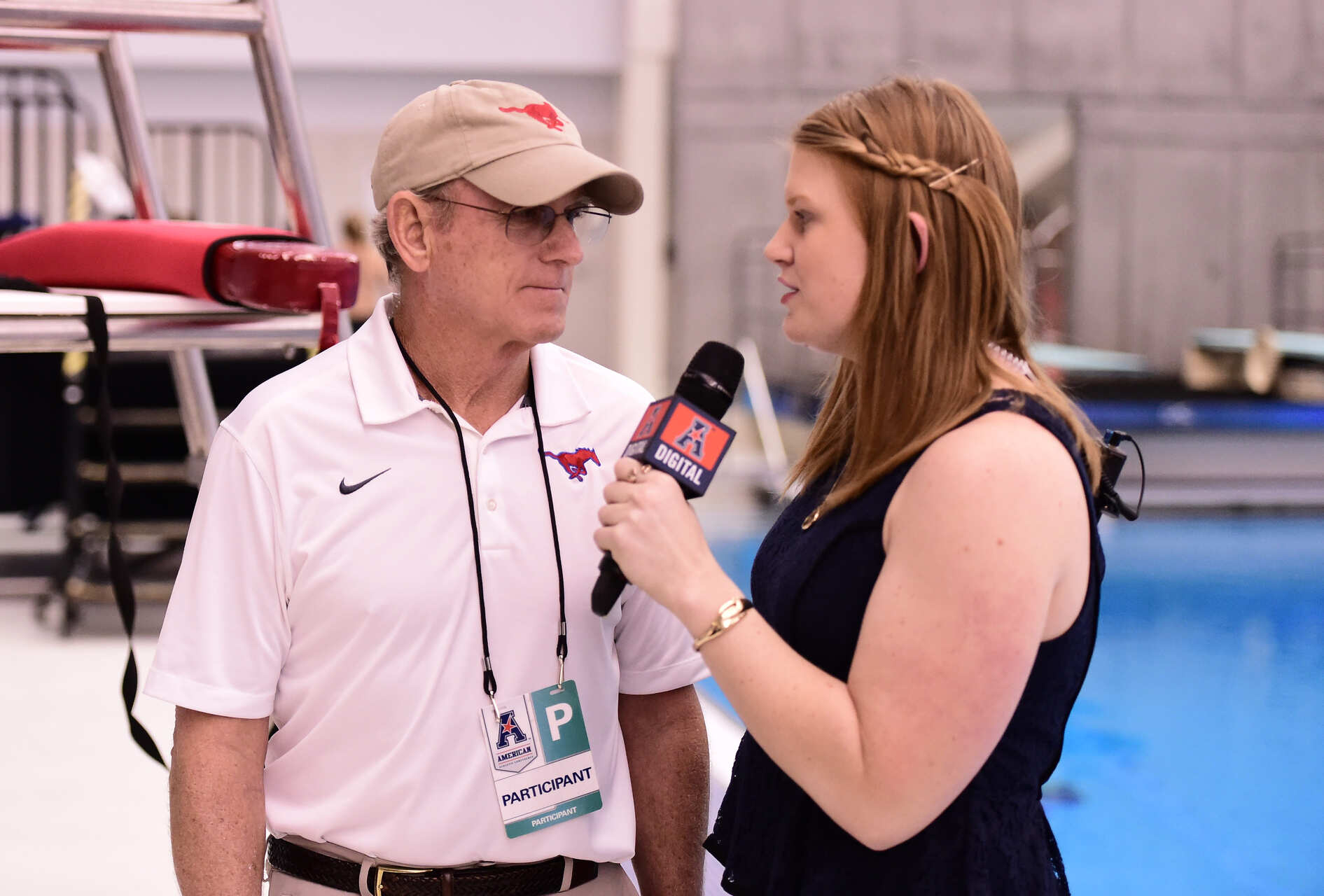
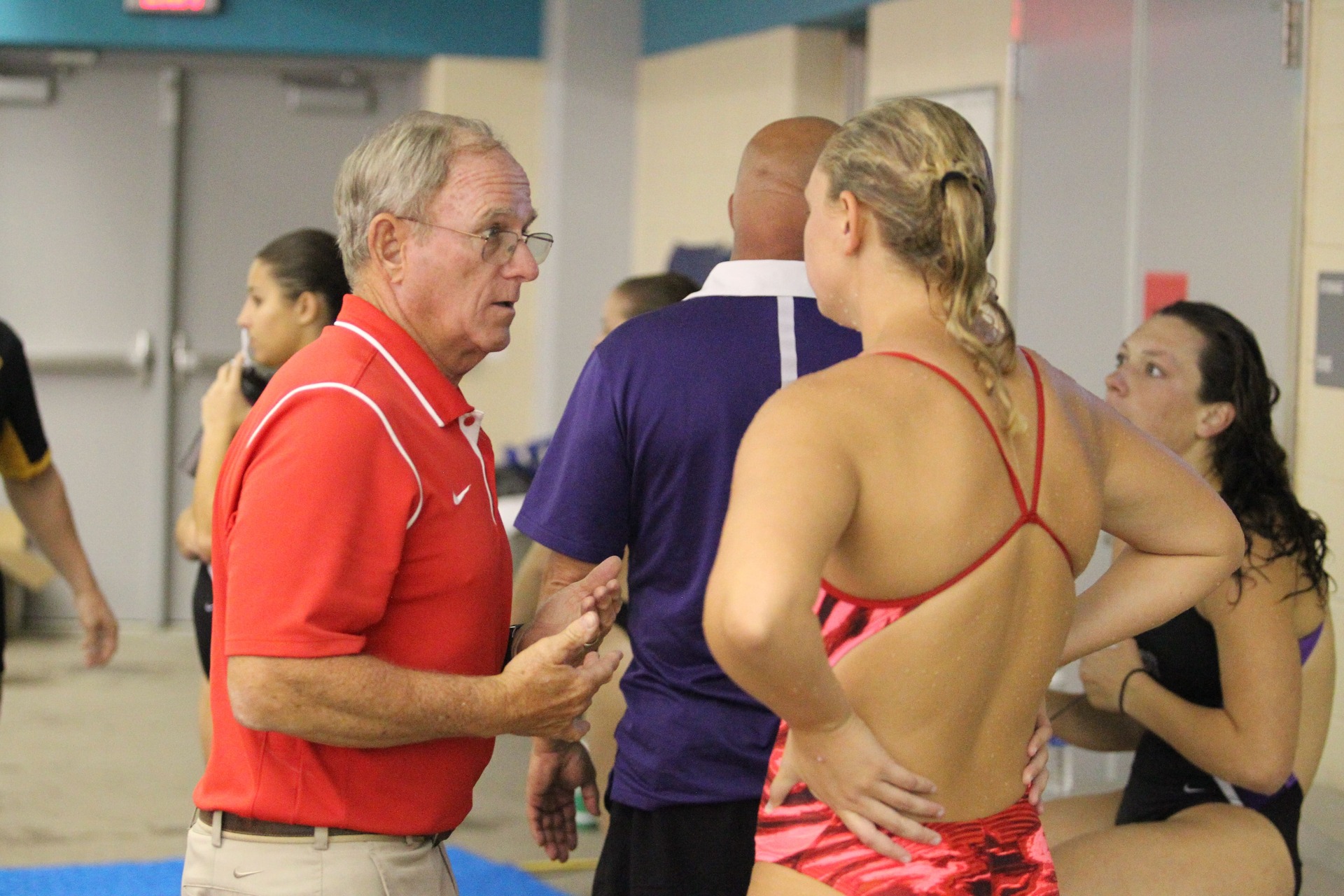
I coached four individuals to eight NCAA titles and mentored 20 student-athletes who earned a combined 71 All-America honors.
We had 21 SMU divers win 89 conference championships.
I was honored to be named NCAA Coach of the Year three times and conference Coach of the Year 16 times.
Along the way, I coached three NCAA Divers of the Year and 10 U.S. National Champions.
But those numbers only scratch the surface.
I got to work with incredible people — who trained through pain, learned to trust themselves, and grew into leaders.
That’s what kept me going.
The People Who Made It Possible
I never did this alone.
Coaching at this level takes your mornings, your weekends, your holidays. And behind all that is someone helping you keep it together.
For me, that was Terry.
We met in college. She, too, was a national champion. She stood beside me for 30 years, knowing what this life required.
I was at the NCAA Championships when she passed. It was the hardest moment of my life — but I still carry her with me.
Later, Elisabeth came into my life and supported me in my final years of coaching. I’ve said this often: I don’t know how coaches stay married unless their partners are just as committed to the journey.
I was lucky. Twice.
And then there’s Katy, Chanelle, and Mariah.
My daughters grew up around diving — around meets, trips, recruiting calls. I missed things. But I hope they know I was always proud of them. I couldn’t have done any of this without them.
They’ve always been my foundation.
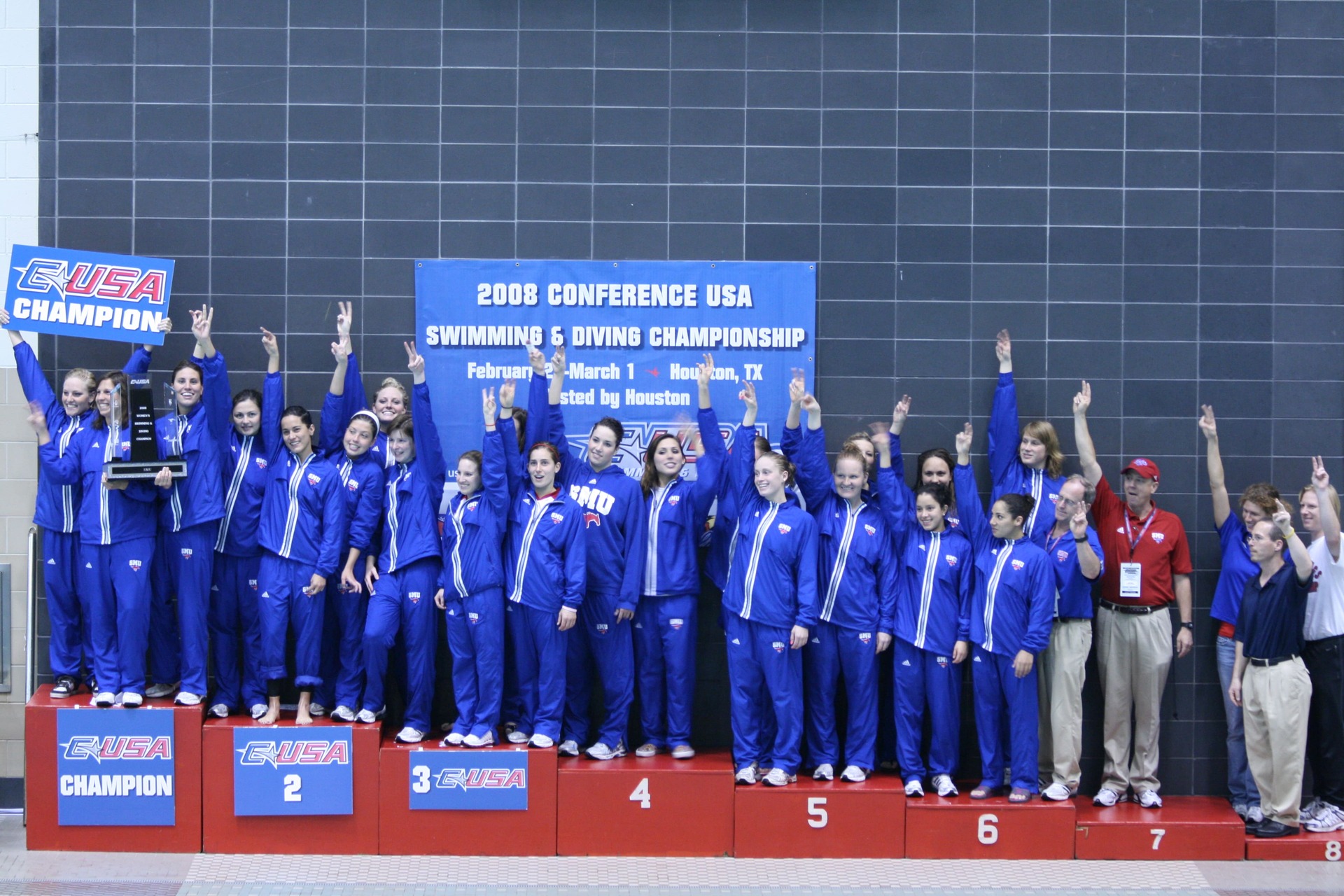
We had 21 SMU divers win 89 conference championships. I was honored to be named NCAA Coach of the Year three times and conference Coach of the Year 16 times. Along the way, I coached three NCAA Divers of the Year and 10 U.S. National Champions. But those numbers only scratch the surface. I got to work with incredible people — who trained through pain, learned to trust themselves, and grew into leaders.
A Lasting Legacy
After more than 33 years on the tower, it was time to pass the reins.
SMU had grown strong under our collective efforts, and I wanted that momentum to continue.
There were moments that still make me smile.
I coached three Olympians across four Olympic Games. Scott Donie’s silver medal in Barcelona in 1992 — I was there for every jump.
 Then there was Krista Wilson Klein. As a freshman, she won the NCAA 1-meter title. She became a two-time NCAA champion, eight-time All-American, and six-time conference champion.
She later built a successful diving program of her own. That’s as meaningful as any medal.
I also served as a U.S. national team coach and earned recognition from the Olympic Committee, USA Diving, and the International Swimming Hall of Fame.
Yet, being selected for the SMU Athletics Hall of Fame — it feels like coming home.
SMU shaped my life in ways nothing else could.
To the divers who competed under me: I hope you felt my belief in you. I hope you know you were more than your scores. That I cared about who you became.
I came to this sport late. I wasn’t a prodigy. I wasn’t even supposed to be on the team at Ohio State.
But through hard work, second chances, and a little stubbornness, I found my place — and spent the rest of my life helping others find theirs.
That’s what coaching became for me.
That’s what SMU became for me.
And being recognized by this Hall of Fame — by this University — it means more than I can say.
Because this is where it all came together.
And that’s enough.
The inductees will be recognized at the annual Hall of Fame Banquet and Induction Ceremony on Friday, October 10 in Armstrong Fieldhouse on the SMU Campus. For additional information or for tickets to the SMU Athletics Hall of Fame Banquet, click here.

Incredible writing. Had me tearing up. Sounds like a hell of a coach.
Earned and well deserved. Congrat’s Jim.
Very well deserved! Stilly you will always be one of the greats! Pony Up!